39 voting rights act of 1965
Key Provisions of the Voting Rights Act of 1965 | Your ... The Voting Rights Act has been reauthorized several times by Congress since its initial passage. But on June 25, 2013 the Supreme Court ruled in the case Shelby County v. Holder that the coverage formula in Section 4(b) of the Voting Rights Act, which was used to determine the states and political subdivisions subject to Section 5 preclearance ... Section 4 Of The Voting Rights Act When Congress enacted the Voting Rights Act of 1965, it determined that racial discrimination in voting had been more prevalent in certain areas of the country. Section 4 (a) of the Act established a formula to identify those areas and to provide for more stringent remedies where appropriate.
TO PASS S. 1564, THE VOTING RIGHTS ACT OF 1965. - GovTrack.us TO PASS S. 1564, THE VOTING RIGHTS ACT OF 1965. May 26, 1965 . This vote was related to S. 1564 (89th): An Act to enforce the 15th amendment to the Constitution of the United States.
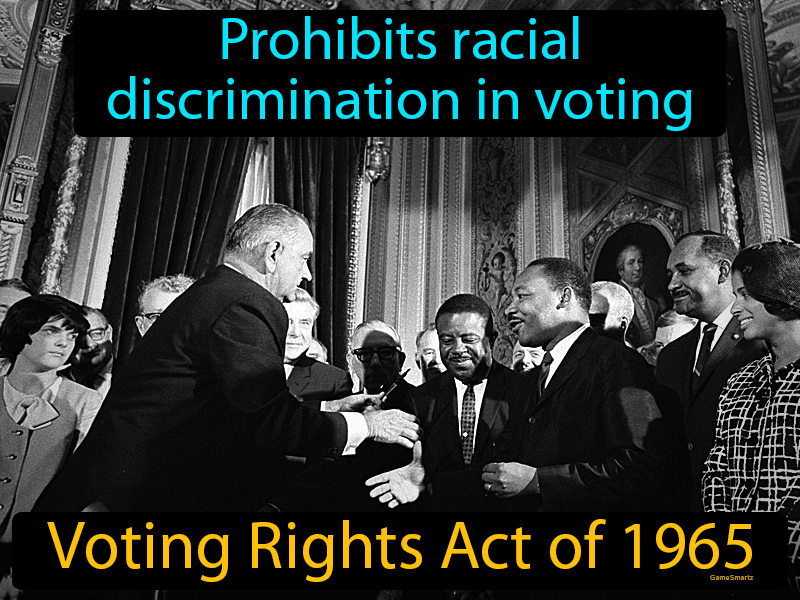
Voting rights act of 1965
Voting Rights Act of 1965 - Teaching American History Voting Rights Act of 1965. AN ACT to enforce the fifteenth amendment to the Constitution of the United States, and for other purposes. Be it enacted by the Senate and House of Representatives of the United States of America in Congress assembled, That this Act shall be known as the "Voting Rights Act of 1965.". SEC. 2. › articles › votingrightsactVoting Rights Act of 1965 (U.S. National Park Service) On August 6, 1965, President Lyndon B. Johnson passed the Voting Rights Act. The Voting Rights Act of 1965 expanded the 14th and 15th amendments by banning racial discrimination in voting practices. The act was a response to the barriers that prevented African Americans from voting for nearly a century. Voting Rights Act of 1965 legal definition of Voting ... Voting Rights Act of 1965 The Voting Rights Act of 1965 is a sweeping federal law that seeks to prevent voting discrimination based on race, color, or membership in a language minority group. The act was passed in the aftermath of one of the more violent episodes in the history of the civil rights movement.
Voting rights act of 1965. Voting Rights Act of 1965 | US House of Representatives ... Signed into law on August 6, 1965, the Voting Rights Act protected the right to vote for all citizens and made methods used to obstruct voter registration illegal, such as poll taxes and literacy tests. Voting Rights Act - Wikipedia Il Voting Rights Act è una legge considerata come punto di riferimento della legislazione federale negli Stati Uniti che proibisce la discriminazione razziale nel voto.La legge è stata firmata il 6 agosto 1965 dall'allora Presidente Lyndon B. Johnson, e il Congresso ha successivamente modificato la legge cinque volte per ampliare le sue protezioni. . Progettata per far rispettare i diritti ... Voting Rights Act of 1965 - Conservapedia The National Voting Rights Act of 1965 authorized, and in some areas required, federal oversight of elections and election laws. Many (but not all) of these areas were in the South, which was at that time controlled by the Democratic Party. › black-history › voting-rights-actVoting Rights Act of 1965 - Definition, Summary ... Nov 09, 2009 · The Voting Rights Act of 1965, signed into law by President Lyndon B. Johnson, aimed to overcome legal barriers at the state and local levels that prevented African Americans from exercising their ...
Voting Rights Act of 1965 | The Martin Luther King, Jr ... The Voting Rights Act of 1965 abolished literacy tests and poll taxes designed to disenfranchise African American voters and gave the federal government the authority to take over voter registration in counties with a pattern of persistent discrimination. › event › Voting-Rights-ActVoting Rights Act | Definition, History, & Facts | Britannica Voting Rights Act, U.S. legislation (August 6, 1965) that aimed to overcome legal barriers at the state and local levels that prevented African Americans from exercising their right to vote under the Fifteenth Amendment (1870) to the Constitution of the United States. Considered among the most comprehensive pieces of civil rights legislation in U.S. history, the Voting Rights Act (VRA ... History Of Federal Voting Rights Laws The Voting Rights Act had not included a provision prohibiting poll taxes, but had directed the Attorney General to challenge its use. In Harper v. Virginia State Board of Elections, 383 U.S. 663 (1966), the Supreme Court held Virginia's poll tax to be unconstitutional under the 14th Amendment. Between 1965 and 1969 the Supreme Court also issued several key decisions upholding the constitutionality of Section 5 and affirming the broad range of voting practices that required Section 5 review. › humanities › us-historyThe Civil Rights Act of 1964 and the Voting Rights Act of 1965 The Civil Rights Act of 1964 was the most comprehensive civil rights legislation ever enacted by Congress. It contained extensive measures to dismantle Jim Crow segregation and combat racial discrimination. The Voting Rights Act of 1965 removed barriers to black enfranchisement in the South, banning poll taxes, literacy tests, and other ...
Voting Rights Act of 1965 - National Conference of State ... Voting Rights Act Amendment Proposed. A bipartisan group of Congressmembers introduced a bill on January 16, 2014, that would amend the Voting Rights Act of 1965. The Voting Rights Amendment Act of 2014 comes in response to the U.S. Supreme Court's decision in June, 2013, that struck down a key provision of the act. The amendments would ... Voting Rights Act of 1965 - National Archives Foundation Voting Rights Act of 1965 On August 6, 1965, President Lyndon Baines Johnson signed the Voting Rights Act into law, a momentous achievement in the struggle for equal rights. The Voting Rights Act of 1965 | US House of ... The Voting Rights Act of 1965 August 03, 1965 Image courtesy of Library of Congress Emanuel Celler of New York led the Judiciary Committee for 11 terms—the longest tenure for any chairman in the committee's history. On this date, by a vote of 328 to 74, the House approved the Voting Rights Act (VRA)—a landmark in the long civil rights movement. Voting Rights Act (1965) | National Archives The Voting Rights Act of 1965 was the most significant statutory change in the relationship between the federal and state governments in the area of voting since the Reconstruction period following the Civil War; and it was immediately challenged in the courts.
Voting Rights Act Of 1965 Definition & Image | GameSmartz
historyforkids.org › voting-rights-act-of-1965Voting Rights Act of 1965 Facts for Kids | Background, Laws ... What is the Voting Rights Act of 1965? The Voting Rights Act of 1965 is the most significant federal legislation designed to prevent discrimination against African-Americans in the USA. On August 6, 1965, President Lyndon B Johnson passed the law to protect the voting rights of the minority communities in America.
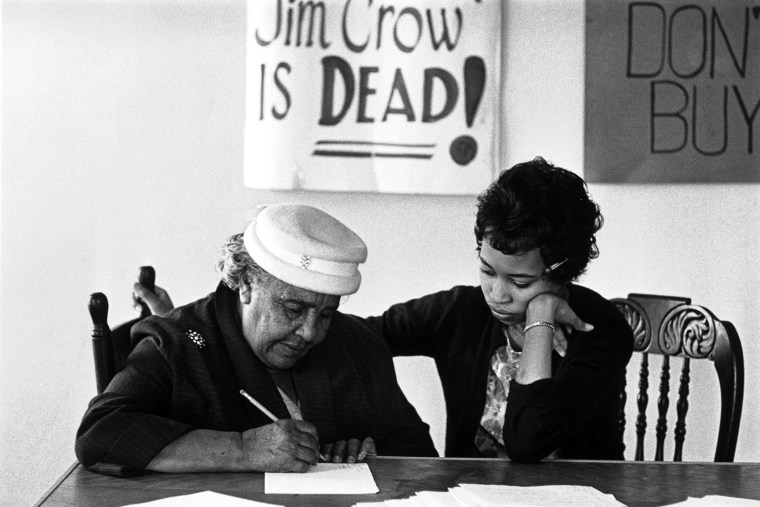
How much do you know about The Voting Rights Act of 1965?
Voting Rights Act - Wikipedia Der Voting Rights Act of 1965 (deutsch Wahlrechtsgesetz von 1965) ist ein US-amerikanisches Bundesgesetz, das die gleiche Beteiligung von Minderheiten, besonders Afroamerikanern, bei US-Wahlen gewährleisten soll.. Im Einzelnen schaffte es diskriminierende Analphabetismus-Tests für potenzielle Wähler ab, verbot Gerrymandering, wenn es Minderheiten benachteiligte, zentralisierte die ...

United States Voting Rights Act von 1965 Wahl Wahllokal ...
› features › voting-rights-1965Congress and the Voting Rights Act of 1965 | National Archives Congress passed the Voting Rights Act of 1965 which aimed to increase the number of people registered to vote in areas where there was a record of previous discrimination. The legislation outlawed literacy tests and provided for the appointment of Federal examiners (with the power to register qualified citizens to vote) in certain jurisdictions with a history of voting discrimination.
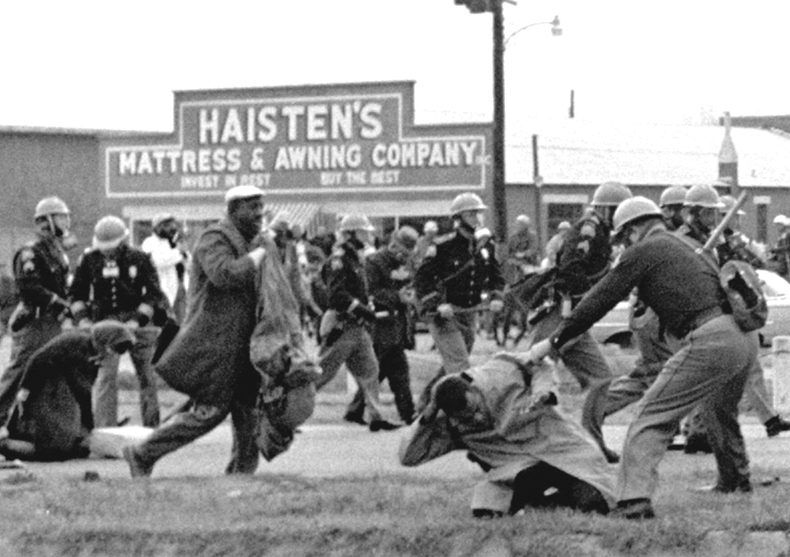
President Johnson signs Voting Rights Act - SNCC Digital ...
study.com › academy › lessonThe Voting Rights Act of 1965: Definition, Summary & Facts ... The Voting Rights Act of 1965 was the most comprehensive voting rights bill signed into law in order to protect the rights of minorities against discrimination. In this article, we examine the ...
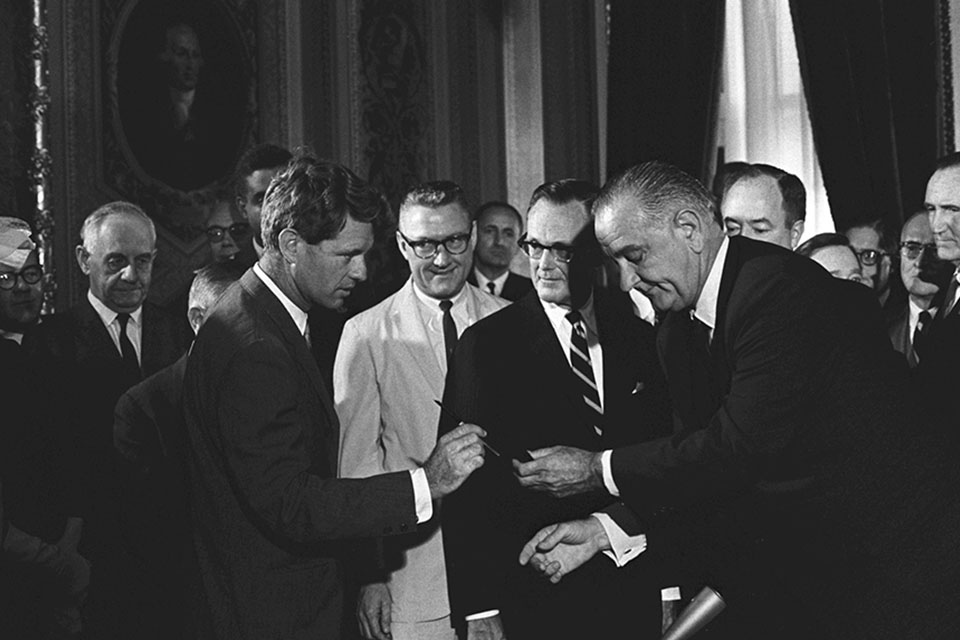
What Was the Voting Rights Act of 1965? | Historynet
Voting Rights Act of 1965 - Wikipedia Voting Rights Act of 1965 Background. As initially ratified, the United States Constitution granted each state complete discretion to determine... Legislative history. Efforts to eliminate discriminatory election practices by litigation on a case-by-case basis by the... Provisions. The act contains ...
/cloudfront-us-east-1.images.arcpublishing.com/dmn/YC7PMF7WGJFDNIM4AT6GZI64FQ.jpg)
Voting rights: Supreme Court upholds Arizona laws and weakens ...
5 Facts About the Voting Rights Act of 1965 | Newsmax.com The Voting Rights Act of 1965 was a landmark piece of legislation enacted by the U.S. government aimed at ending discrimination at the polls. President Lyndon B. Johnson signed the resulting legislation into law on Aug. 6, 1965. Here are five facts about the Voting Rights Act of 1965.

439 1965 Voting Rights Act Bilder und Fotos - Getty Images
Voting Rights Act of 1965 - Definition, Examples, Cases ... Voting Rights Act of 1965 Example Involving Parts of the Act Itself. Perhaps the most important example of the Voting Rights Act of 1965 is Shelby County v. Holder (2013). This case trumps other Voting Rights Act of 1965 examples because it became a landmark court case concerning the constitutionality of two provisions of the Voting Rights Act.
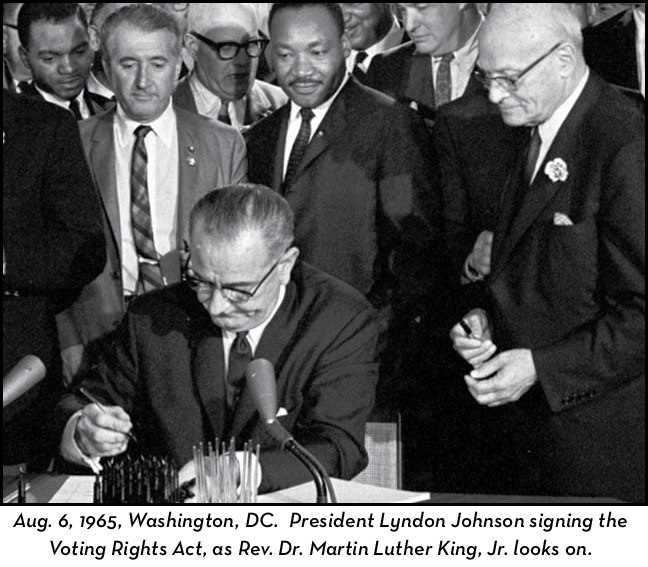
Remembering the Voting Rights Act of 1965 - CAIR-Philadelphia
The Voting Rights Act of 1965 at 50: How It Changed the ... I t was only eight days after President Lyndon B. Johnson signed the Voting Rights Act on Aug. 6 of 1965 that federal voting examiners speedily dispatched to Selma, Ala., proceeded in a single day...
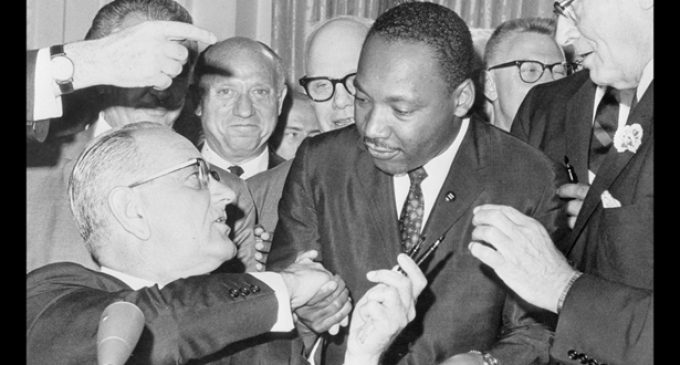
Column: Restore the Voting Rights Act of 1965 | WS Chronicle
PDF The Voting Rights Act of 1965: Background and Overview The Voting Rights Act is a landmark federal law enacted in 1965 to remove race-based restrictions on voting. It is perhaps the country's most important voting rights law, with a history that dates to the Civil War. After that conflict ended, a number of constitutional amendments were

Thumb Image - Voting Rights Act Of 1965 Symbol, HD Png ...
Voting Rights Act of 1965 | NAACP The Voting Rights Act of 1965 remains one of the hardest-fought safeguards for Black Americans and other minority groups as it relates to voting. The power, agency, and access to vote is a civil right for all. The most recent attempt to strenghen the right to vote is the John Lewis Voting Rights Advancement Act.

50 Years Ago, All Americans Won the Right to Vote. Today That ...
Voting Rights Act de 1965 — Wikipédia Le Voting Rights Act of 1965 est l'une des plus importantes lois du Congrès des États-Unis [1], interdisant les discriminations raciales dans l'exercice du droit de vote [2], [3]. Le texte a été adopté le 4 août 1965 et signé par le président Lyndon B. Johnson le 6 août suivant, au plus fort du mouvement afro-américain des droits civiques.
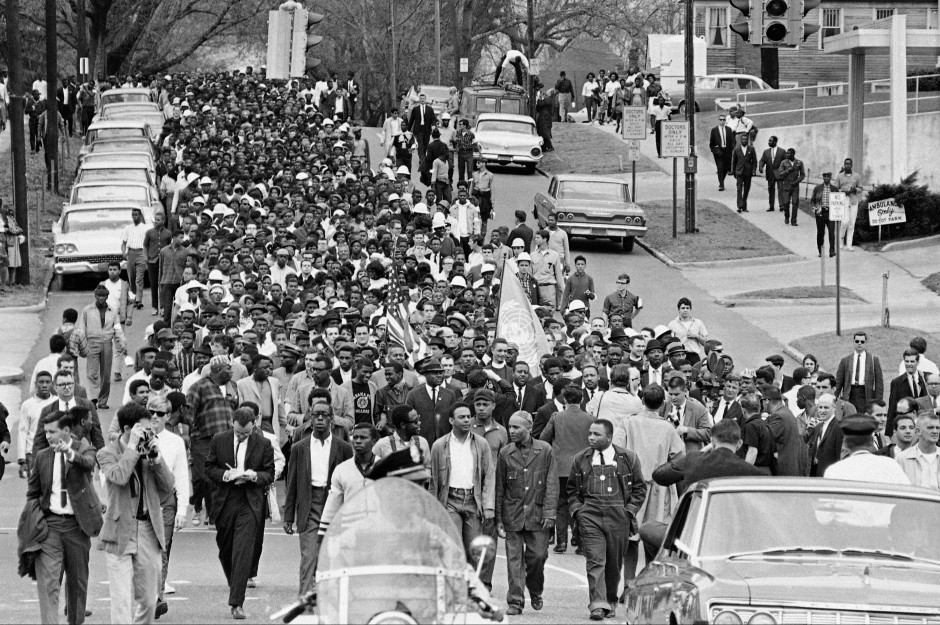
The Voting Rights Act at 50 - Talk Poverty
The Voting Rights Act of 1965 Overview - FindLaw The Voting Rights Act of 1965 was passed in response to Jim Crow laws and other restrictions of minorities' voting rights at the time, primarily in the Deep South. The Act has undergone several changes and additions since its passage. In 2013, the U.S. Supreme Court found a key provision of the Act unconstitutional. The 1965 Enactment
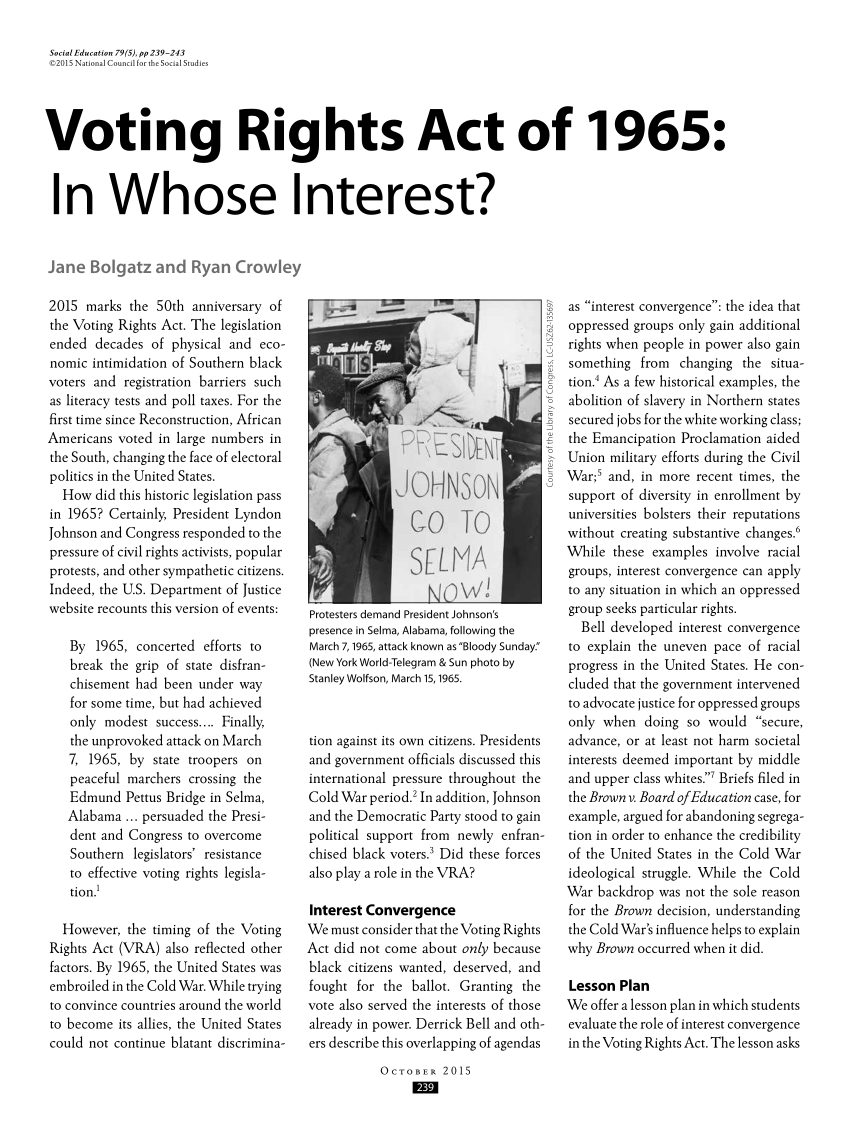
PDF) The Voting Rights Act of 1965: In whose interest?
Voting Rights Act of 1965 legal definition of Voting ... Voting Rights Act of 1965 The Voting Rights Act of 1965 is a sweeping federal law that seeks to prevent voting discrimination based on race, color, or membership in a language minority group. The act was passed in the aftermath of one of the more violent episodes in the history of the civil rights movement.
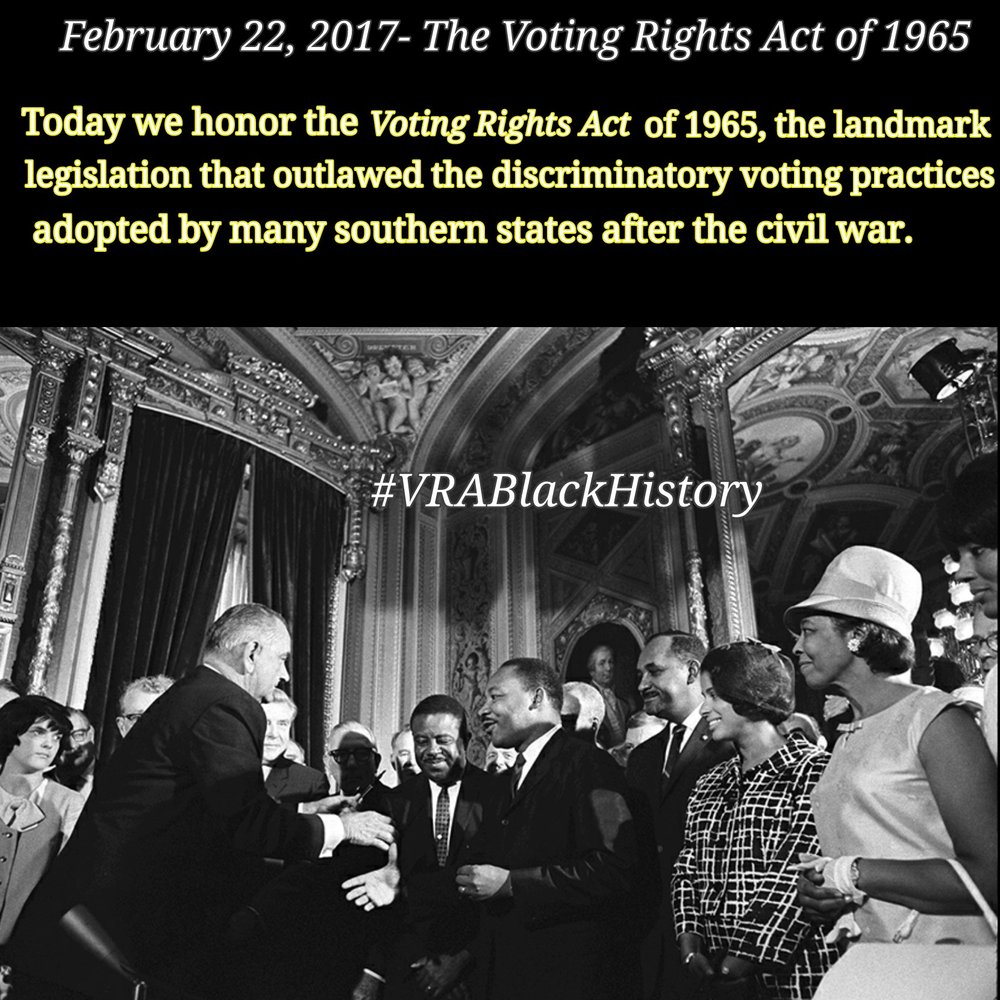
February 22, 2017- The Voting Rights Act of 1965 ...
› articles › votingrightsactVoting Rights Act of 1965 (U.S. National Park Service) On August 6, 1965, President Lyndon B. Johnson passed the Voting Rights Act. The Voting Rights Act of 1965 expanded the 14th and 15th amendments by banning racial discrimination in voting practices. The act was a response to the barriers that prevented African Americans from voting for nearly a century.
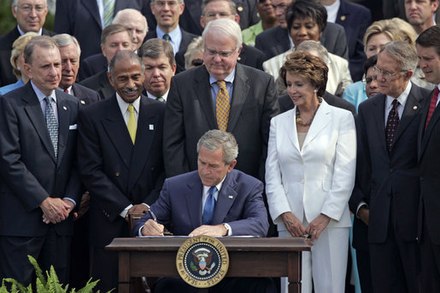
Voting Rights Act - Wikiwand
Voting Rights Act of 1965 - Teaching American History Voting Rights Act of 1965. AN ACT to enforce the fifteenth amendment to the Constitution of the United States, and for other purposes. Be it enacted by the Senate and House of Representatives of the United States of America in Congress assembled, That this Act shall be known as the "Voting Rights Act of 1965.". SEC. 2.

The Voting Rights Act: A Short Guide – Political⚡Charge

Voting Rights Act of 1965 |

Voting Rights Act, We Wrote The Book | McGeorge School of Law

Voting Campaigns and the Voting Rights Act of 1965 Chapter 28 ...
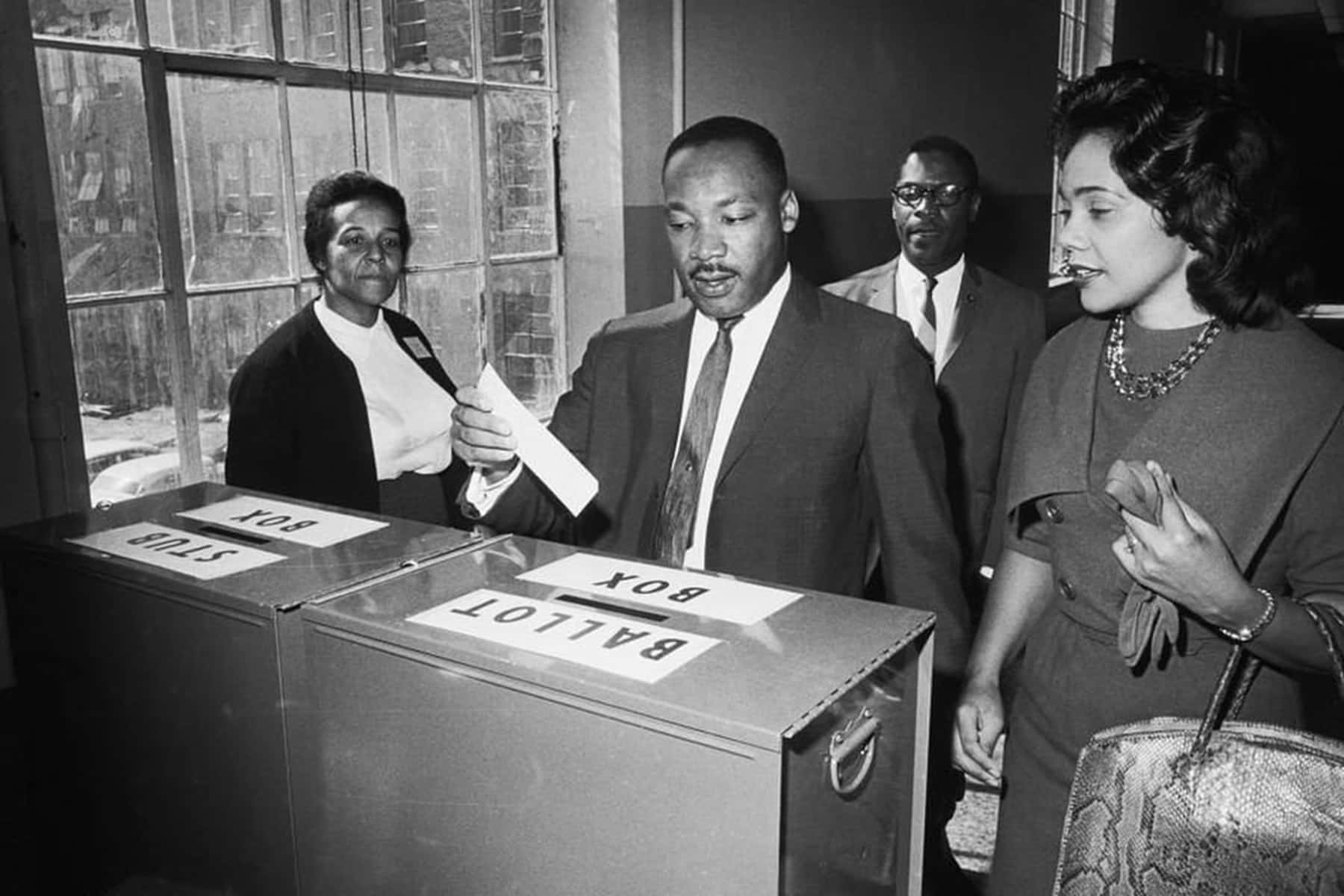
The Voting Rights Act: Why Federal legislation was needed in ...
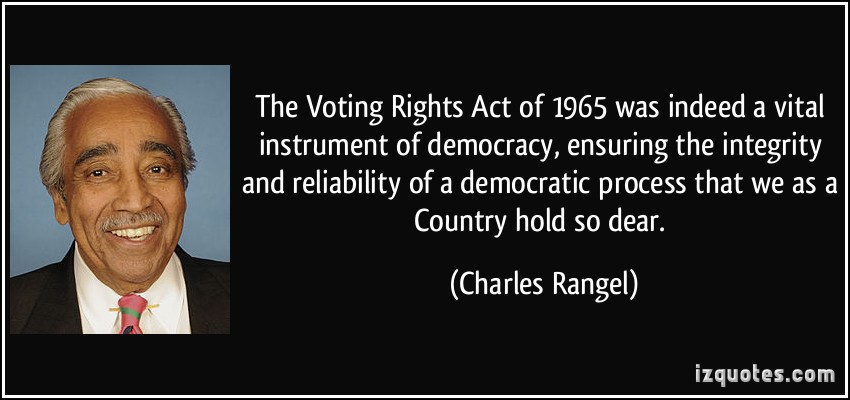
Voting Rights Quotes. QuotesGram

Celebrating the Voting Rights Act of 1965

The Voting Rights Act of 1965: An Interactive History ...
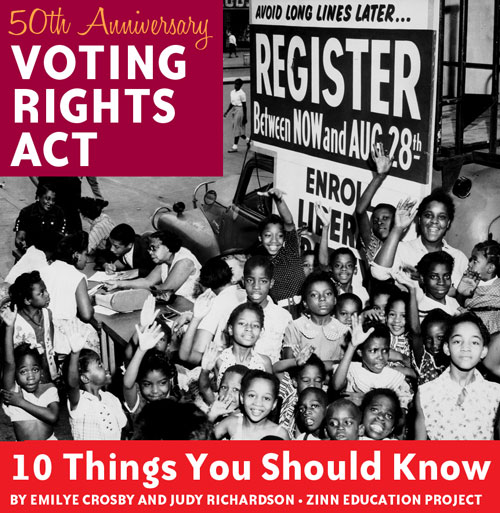
The Voting Rights Act: Ten Things You Should Know - Zinn ...

Voting Rights Act 2014: The Battle for Our Ballot Box
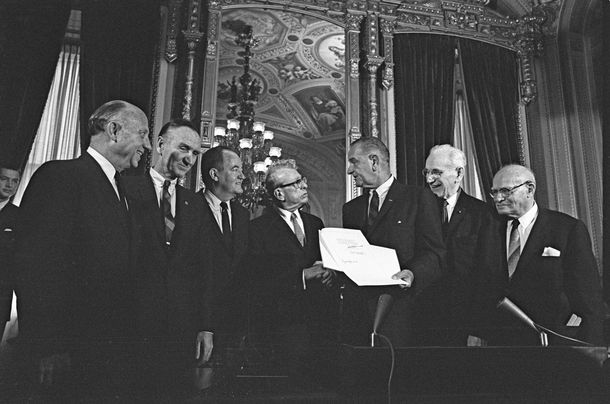
U.S. Senate: Signing Ceremony for the Voting Rights Act ...
Voting Rights Act – Wikipedia
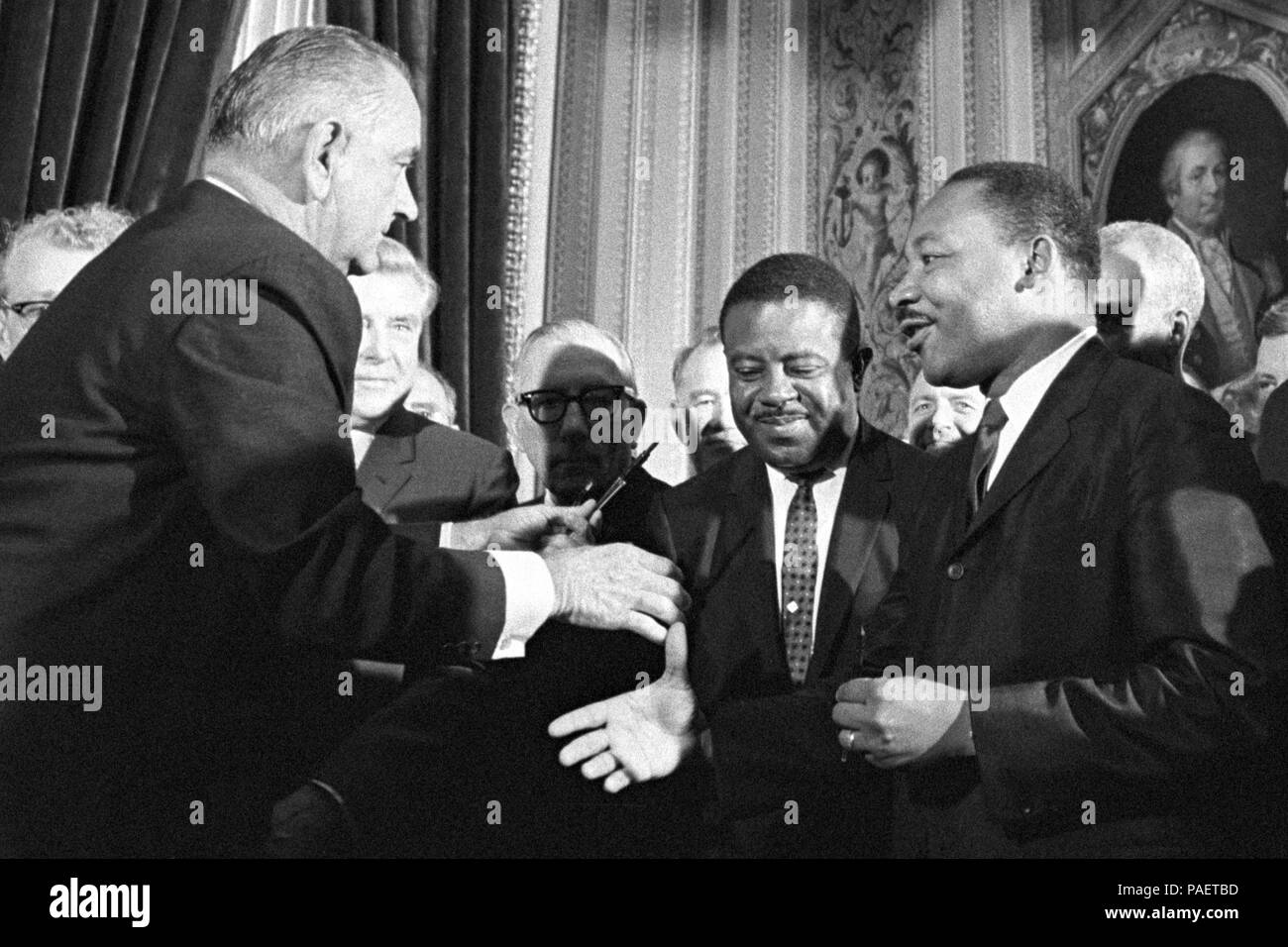
1965 Voting Rights Act Stockfotos und -bilder Kaufen - Alamy

Voting Rights Act - Ballotpedia
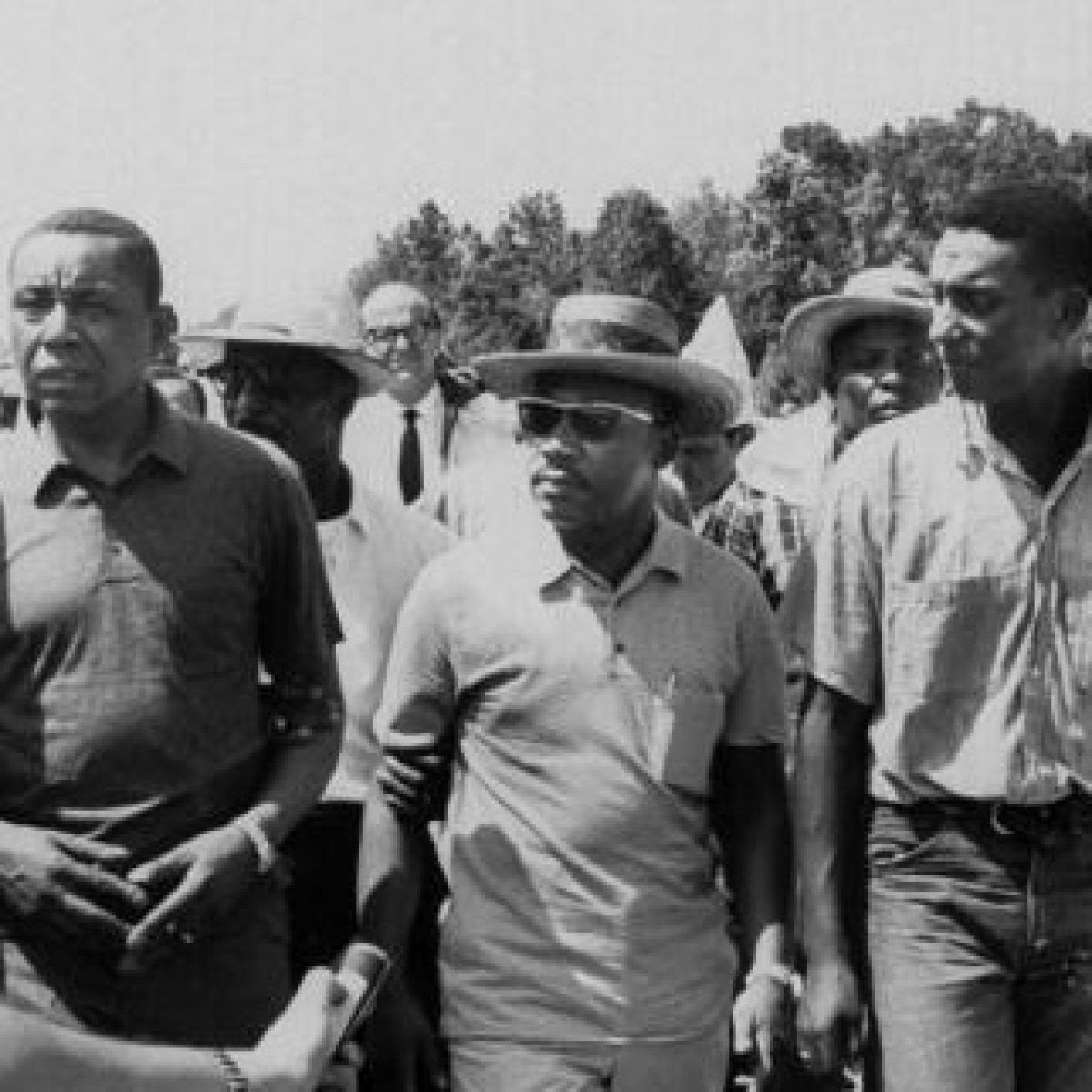
Today Marks the 56th Anniversary of Voting Rights Act of 1965 ...

The Legacy of the Voting Rights Act, 50 Years Later • EBONY

History of the U.S. Voting Rights Act

The Voting Rights Act of 1965 by Jessica McBirney | CommonLit

Editorial: Voting Rights Act is still needed

Voting Rights Act of 1965: 1965, act, africanamerican ...

Protest at Selma: Martin Luther King, Jr., and the Voting ...
تويتر \ Voting Rights ACT 1965 (Yizel&Lorea) (act_1965@)
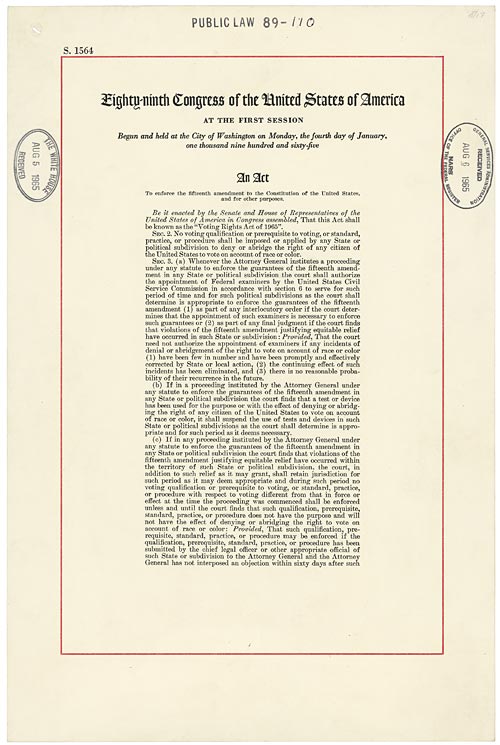
Voting Rights Act (1965) | National Archives

Voting Rights Act of 1965 Voter registration Suffrage ...
0 Response to "39 voting rights act of 1965"
Post a Comment